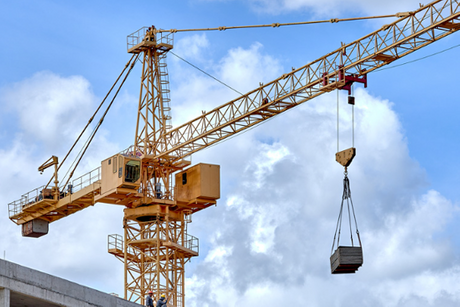
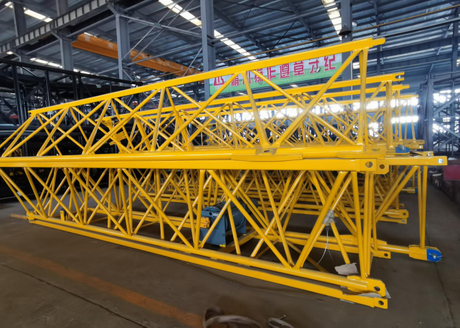
A cheap crane can become expensive fast. A higher quote can save money later. So what should you check before comparing tower crane price? In this article, you will learn what changes cost, what a quote should include, and how to choose a crane that fits your project.
Key Takeaways
●Tower crane price is not fixed because each project needs a different lifting capacity, jib length, hook height, mast setup, and site plan.
●The machine price is only one part of the total cost. Freight, foundation work, installation, dismantling, inspection, spare parts, and downtime can change the real budget.
●Topkit tower cranes, flat top tower cranes, and mini tower cranes serve different jobsite needs, so the right choice depends on load, reach, height, and site space.
●A reliable quotation should include crane configuration, technical parameters, delivery terms, accessories, safety devices, and support details.
●Buyers should compare total ownership value, not only the initial tower crane cost.
●The best way to control cost is to send clear project data before requesting a quote.
What Decides the Tower Crane Price?
The short answer is simple: a tower crane costs as much as your project needs it to cost. The longer answer is more useful. A tower crane price depends on the machine type, working height, lifting capacity, jib length, transport plan, and service scope.
If two cranes look similar from a distance, their costs can still be very different. One may need a higher load chart. Another may need more mast sections. A third may need a longer jib to cover a wide site. These details change steel weight, motor power, safety setup, and delivery cost.
Crane Type and Structure
The first cost driver is the crane type. A topkit tower crane, flat top tower crane, and mini tower crane do not serve the same site conditions.
A topkit tower crane is often chosen for projects that need stable lifting and strong performance. A flat top tower crane can be useful when the site has several cranes or height limits around the working area. A mini tower crane may suit smaller sites, tight spaces, or lighter lifting tasks.
Lifting Capacity
Lifting capacity has a direct effect on tower crane cost. A higher-capacity crane needs stronger structural parts, larger mechanisms, and more demanding safety control. It also affects transport and installation planning.
Do not choose capacity by the heaviest material alone. You also need to check the working radius. A crane may lift a heavy load near the tower, yet lift much less at the end of the jib.
Jib Length and Working Radius
The jib length decides how far the crane can reach. A longer jib can cover more of the jobsite, but it also adds structural demand. It may require more counterweight, stronger design, and more careful operation.
A short jib may reduce equipment cost, but it can increase jobsite handling time. If materials must be moved twice, the saved money can disappear.
Hook Height and Mast Sections
Hook height changes the final tower crane price because taller buildings need more mast sections and stronger site planning. A low-rise project and a high-rise project may use the same crane family, but the final quote can look very different.
When the building gets taller, you may also need anchoring, climbing arrangements, and additional inspection work. These items should be discussed early.
Standard Design or Custom Requirements
A standard crane configuration is easier to quote. Custom requirements may change the price, but they can also improve project fit. Custom color, logo, size, and design support may help the equipment match brand, site, or operating needs.
Tip:Before asking for a quote, prepare max load, working radius, building height, destination port, and expected project schedule.
Tower Crane Cost Is More Than the Machine Price
Many buyers ask for the machine price first. That is normal. But the real cost is the total project cost around the crane. If you only compare the equipment line, you may miss the parts that affect your budget later.
The table below shows common cost items to check before you compare suppliers.
Cost Item
Why It Matters
Crane equipment
Main structure, mechanisms, control system, and safety devices
Mast sections
Needed for the required hook height
Jib and counterweight
Affects reach, coverage, transport, and setup
Freight and packaging
Changes by destination, volume, and shipping terms
Foundation preparation
Depends on site soil, building plan, and local requirements
Installation and dismantling
Requires trained workers, tools, and safe procedures
Inspection and documents
May be needed before site operation
Spare parts
Supports maintenance and long-term use
Downtime risk
Poor planning can delay lifting work
A low purchase price may look attractive. Yet it may not include the parts you need. A complete quote makes comparison easier and safer.
Freight and Delivery Terms
Delivery terms can change the final tower crane cost. EXW, FOB, CIF, and other trade terms place different costs on the buyer or seller. You should confirm packing method, loading port, destination port, and delivery time.
Installation and Dismantling
Installation cost depends on site access, crane size, foundation readiness, and local labor. Dismantling also needs planning. It should not be treated as an afterthought.
If the site is crowded, or the schedule is tight, lifting the crane into position may cost more than expected.
Spare Parts and Maintenance
Spare parts are part of long-term value. A crane that is easy to maintain can reduce downtime. Common wear items, electrical parts, and safety components should be available when needed.
Note:A complete tower crane quote should state what is included and what is excluded.
Tower Crane Price by Type
Different crane types are priced differently because they solve different site problems. The right choice depends on lifting demand, jobsite layout, and project scale.
Topkit Tower Crane
A topkit tower crane is often used for large building projects that need reliable lifting strength and working reach. It is a practical choice when the site handles heavy materials such as steel, concrete, formwork, and equipment.
Its price can rise when the project requires higher capacity, longer jib length, or more mast sections. It may also need more careful transport and assembly planning.
Flat Top Tower Crane
A flat top tower crane can be helpful when several cranes work near each other. Its design can support better clearance planning on dense sites. It may also fit projects where overhead space matters.
The price depends on capacity, jib length, height, and technical configuration. It should be compared by site value, not only by purchase cost.
Mini Tower Crane
A mini tower crane can be a cost-effective option for smaller projects or sites with limited space. It may reduce the need for oversized lifting equipment. It can also help when the loads are lighter, but vertical lifting is still needed.
The key is not to under-specify it. A crane that cannot handle the real work will slow the project.
Buying, Renting, or Leasing a Tower Crane
There is no single best payment model. The right answer depends on project duration, future use, cash flow, and service resources.
When Buying Makes Sense
Buying may make sense if you use tower cranes often. Contractors with repeat projects can spread the cost across many jobs. Ownership also gives more control over scheduling and equipment availability.
Buying also helps when the crane needs custom requirements. It can be planned around your usual project type and operating method.
When Rental May Work Better
Rental can work for a short project. It can also reduce the pressure of long-term maintenance. If you only need the crane once, rental may be easier to control.
However, rental cost can rise when the project schedule changes. Delays, idle time, and extension fees should be included in the budget.
When Leasing Can Help Cash Flow
Leasing may support cash flow when a company wants use of the crane but wants to reduce upfront pressure. It can also help growing contractors build capacity step by step.
Before choosing it, compare payment terms, service responsibility, and long-term total cost.
Tip:Compare buying, renting, and leasing by project duration, not only by monthly or upfront cost.
How to Get an Accurate Tower Crane Quote
A good quote starts with good project data. If the supplier only knows you need a tower crane, the quote may be too broad. It may also miss important cost items.
Share Your Project Details
Start with building height, maximum load, working radius, site layout, and project location. Add your expected start time, usage period, and destination port. These details help the supplier recommend the right crane configuration.
Confirm the Required Load Chart
A load chart shows how much the crane can lift at different distances. It is one of the most important tools for matching cost and performance.
If the heavy load must be lifted far from the tower, you may need a stronger crane. This can raise the tower crane price, but it may prevent unsafe operation.
Check What the Quote Includes
Ask whether the quote includes mast sections, cabin, electrical system, safety devices, spare parts, documents, packaging, and installation guidance. Also ask what is not included.
This helps you avoid comparing a low incomplete quote with a higher complete quote.
Ask About Support
Support matters after delivery. Online installation guidance, technical communication, and spare parts planning can protect your schedule. A crane is not only a machine. It is part of your site workflow.
GYT Tower Crane Products and Service Support
GYT provides construction equipment for lifting, access, support, and jobsite operation. Its product range includes tower cranes, construction hoists, suspended platforms, scaffolding systems, steel props, and spare parts. For tower crane needs, its categories include Topkit Tower Crane, Flat Top Tower Crane, Mini Tower Crane, and spare parts for tower crane applications. These options support different lifting tasks, from heavy construction materials to equipment movement on building sites. GYT tower cranes focus on stability, load capacity, reach, safety, and efficient site operation.
For project-specific needs, GYT provides customization support. You can request customized colors, corporate logos, customized sizes, professional design support, online installation guidance, and technical support.
Conclusion
GYTprovides tower cranes, hoists, platforms, scaffolding, props, and spare parts for construction sites. Its tower cranes support stable lifting, strong reach, and safer jobsite handling. To compare tower crane price wisely, review the full project cost, not only the machine quote. Clear project data helps GYT recommend a practical crane solution.
FAQS
Q: What affects tower crane price most?
A: Tower crane price mainly depends on capacity, jib length, height, crane type, freight, and support.
Q: Is a mini tower crane cheaper?
A: Usually, yes. It suits smaller sites and lighter lifting tasks.
Q: Why does tower crane price vary by project?
A: Each project needs different reach, load, height, and site setup.
Q: Should I buy or rent a tower crane?
A: Buy for repeated use. Rent for short or one-time projects.
Q: What should a quote include?
A: It should include configuration, accessories, delivery terms, support, and exclusions.
Q: Can a higher tower crane price save money?
A: Yes. Better reach, stability, and support can reduce delays.