Urban infill construction often faces one consistent challenge — limited space. On narrow streets or dense downtown plots, every square meter matters. In these situations, using a small construction elevator can make all the difference, providing essential vertical movement without taking up valuable ground area. These elevators are not simply scaled-down versions of larger hoists; they are specialized tools designed for speed, safety, and flexibility. Fuzhou Guangyitong Mechanical Equipment Co., Ltd. (GYT) has developed compact hoisting systems tailored for these exact environments. Their range of mini and small construction elevators combines space efficiency, safety, and performance, helping builders complete projects faster, more safely, and with fewer disruptions.
Why Small Construction Elevators Matter for Constrained Projects
For many modern builders, constrained access is now the rule, not the exception. A small construction elevator offers an efficient, adaptable way to move materials and workers vertically without requiring the footprint or infrastructure of a full-scale hoist. These smaller units are designed for quick setup and flexible use on sites where cranes or large lifts are impractical. They bring logistical clarity to complex sites, allowing multiple trades to work simultaneously without interference.
Footprint, Capacity, and Speed Trade-Offs
Smaller elevators naturally come with lower load capacities compared to large hoists, but the trade-off is often well worth it. They require minimal base preparation and can fit alongside existing structures, even in tight alleyways or courtyard spaces. Modern small elevators can still achieve impressive lifting speeds, ensuring that material flow keeps up with work demand. GYT’s models, for example, are built to balance compact design with steady vertical performance, allowing efficient handling of building materials without bottlenecking progress. Additionally, their lightweight design minimizes energy consumption, offering both economic and environmental benefits for contractors focused on sustainability.
Typical Project Types: Refurbishment, Townhouses, Narrow Sites
Refurbishment projects, townhouse builds, and additions to existing buildings frequently benefit from smaller hoisting equipment. These sites rarely have the open staging areas that new high-rise developments do. A small construction elevator can be positioned with minimal disturbance to nearby structures or public spaces. Contractors working on façade repairs, interior retrofits, or narrow residential sites can rely on these elevators for consistent access without obstructing pedestrian flow or street access. The flexibility of placement allows project managers to reposition or extend the mast as the build progresses, reducing overall downtime and improving workflow efficiency.
Common Small Elevator Configurations and Capacities
Every site has different demands, so flexibility is key. Small construction elevators come in several configurations that match both space and performance requirements. Choosing the right setup means balancing lift speed, load weight, and installation convenience.
Mini Cabin Options and Reduced Mast Footprint Designs
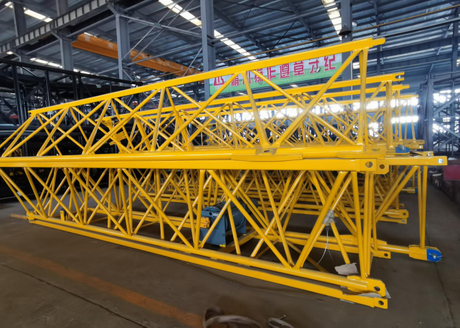
Compact cabins are the heart of small elevator systems. Some feature single-person or compact material-only cages with reinforced walls and lightweight masts. Reduced mast footprints make it possible to install along exterior scaffolds or even within building cores. GYT’s designs focus on modularity, offering mast sections that can be easily extended as the building height increases. The result is a lift system that grows with the project while maintaining balance and safety. With their galvanized mast sections and anti-corrosion finishes, GYT’s elevators are suitable for both interior renovation work and outdoor construction under demanding conditions.
Material-Only Small Elevators vs. Light Passenger Combos
Material-only elevators are ideal for transporting tools, bricks, or small batches of supplies. However, many builders now prefer light passenger combos — small construction elevators that can safely move both materials and personnel. This versatility minimizes idle time and reduces the need for separate access systems. GYT’s dual-use configurations are designed with reinforced cabin floors and operator-friendly controls, ensuring the same high safety standards found in full-sized hoists. These elevators can handle day-to-day work traffic while maintaining energy efficiency and smooth acceleration, making them reliable on jobs with continuous vertical movement needs.
Installation & Site Prep: What Quick Installs Look Like
For constrained projects, time spent on setup can be as critical as working time itself. The value of small construction elevators lies not just in their compactness but also in their ease of installation and dismantling.
Foundation and Minimal Base Preparations
Unlike large hoists that require concrete bases and extensive anchoring, small elevators can often be installed on lightweight steel plates or modular bases. This eliminates the need for heavy foundation work, saving days or even weeks during early site phases. GYT’s products are engineered for plug-and-lift simplicity — pre-fabricated base frames, minimal anchor points, and straightforward vertical assembly. Their modular design ensures that each part is easy to transport and assemble, even in confined spaces.
Quick-Assemble Mast Systems
Another major advantage is the quick-assemble mast structure. GYT’s small elevator systems use pre-aligned mast joints that allow two workers to install several meters of height in a short time. This feature ensures the lift can be operational in hours rather than days. Combined with intuitive electrical systems and simplified motor connections, installation becomes both safe and efficient. For urban projects under strict scheduling pressure, this can significantly accelerate the critical path and free up time for other trades to operate simultaneously.
Safety & Usability Features for Smaller Cages
Smaller doesn’t mean simpler when it comes to safety. Compact construction elevators are equipped with all essential protection systems to safeguard operators and site workers.
Controls, Emergency Lowering, and Operator Ergonomics
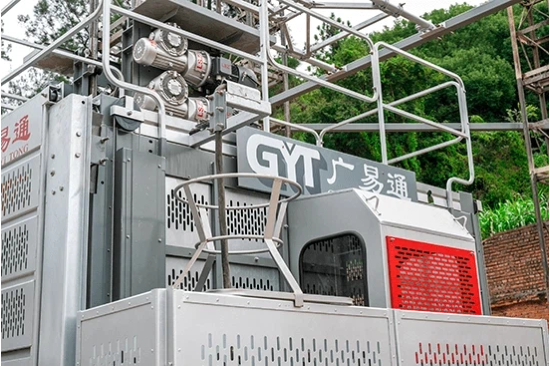
User-friendly controls and emergency lowering functions are built into modern elevators. GYT’s control panels feature clear labeling, reliable braking systems, and automatic power cut-offs. For operator comfort, cabin interiors are designed to minimize vibration and noise — an often-overlooked factor that helps sustain productivity during long shifts. The ergonomic cabin layout ensures operators can move comfortably even in smaller cages, improving long-term site safety and morale.
Load Sensing and Overload Prevention
Safety devices like load sensors monitor the elevator’s weight capacity in real-time. When an overload occurs, systems automatically prevent the motor from engaging, protecting both machinery and personnel. GYT includes this technology across all models, even the most compact ones. Overload alarms, door interlocks, and fail-safe limit switches ensure compliance with international safety standards and enhance user confidence.
Cost-Effectiveness: Short Schedules, Less Crane Time, Fewer Labour Hours
For contractors, cost savings are about more than just equipment prices — they’re about efficiency. Small construction elevators directly contribute to lower operating costs by streamlining how materials are handled and reducing reliance on other lifting equipment.
How Small Elevators Reduce Total Onsite Handling Time
Transporting materials vertically is one of the most time-consuming parts of any build. A compact elevator reduces manual lifting and the dependency on cranes for small loads. Workers spend less time moving tools or waiting for lifts, which in turn shortens total project schedules. This productivity gain translates into fewer overtime hours and smoother workflow. By cutting down handling time, these elevators also reduce the risk of material damage and minimize congestion around hoisting zones.
GYT Example: Small Elevator in Phased Renovation
In phased renovation or retrofit projects, cranes are often unavailable due to existing building constraints. Here, a small elevator becomes a lifeline. GYT’s systems have been applied in many such projects across Asia and Europe, where teams needed quick, safe vertical transport during staged refurbishments. Compact design and easy relocation allow elevators to be shifted as different building sections are completed. These features make them one of the most adaptable tools on the jobsite and a cost-effective solution for contractors working on multi-phase developments.
Conclusion
For dense urban construction or restricted-access sites, choosing a small construction elevator can dramatically enhance efficiency, safety, and project flow. GYT’s innovative range of compact hoisting systems provides builders with the versatility they need to move materials and personnel in challenging environments. As a trusted manufacturer with decades of experience, Fuzhou Guangyitong Mechanical Equipment Co., Ltd. continues to refine lifting solutions that deliver real onsite value. To explore our compact hoist systems and learn how they can accelerate your next project, contact us today.
FAQ
1. What is a small construction elevator used for?
A small construction elevator is designed for vertical transportation of materials and personnel on sites with limited space, such as urban refurbishments or narrow residential builds.
2. How much weight can a small construction elevator carry?
Depending on the model, small elevators can typically handle between 300–1000 kg. GYT offers both material-only and light passenger variants to suit different project needs.
3. How long does it take to install a small construction elevator?
With GYT’s modular mast design and simplified base setup, installation can often be completed within one working day, minimizing downtime and enabling fast deployment.
4. Are small construction elevators safe for operators?
Yes. GYT’s small construction elevators include load sensors, emergency brakes, and overload protection to meet strict international safety standards, ensuring reliable operation throughout the project.